How to Watch Esports Online in 2026: Complete Guide
If you’re new to competitive gaming, figuring out how to watch esports online can feel more complicated than it needs to be given how many games and platforms are involved. Here’s a straightforward guide to get you started in 2026.
The Two Main Platforms: Twitch and YouTube
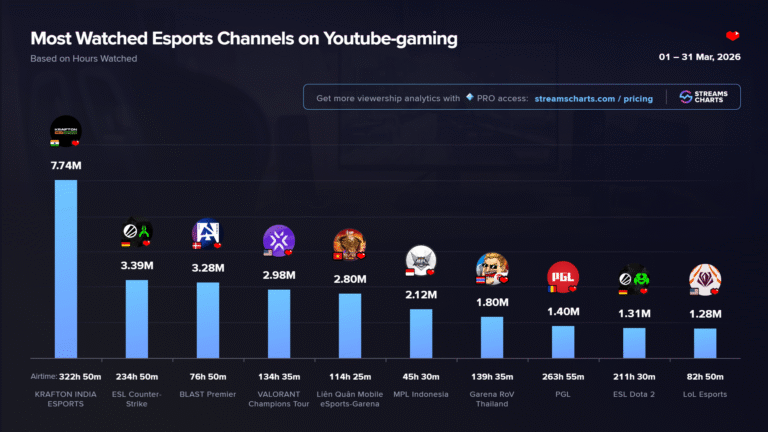
The overwhelming majority of esports broadcasts stream free on Twitch, YouTube, or both simultaneously. Official tournament organizers and league accounts (like Riot Games’ Valorant and League of Legends channels, or ESL’s various game-specific channels) are the most reliable sources — search directly for the tournament or league name rather than relying on random search results, since unofficial re-streams can be lower quality or come with their own ads layered on top.
Finding What’s On
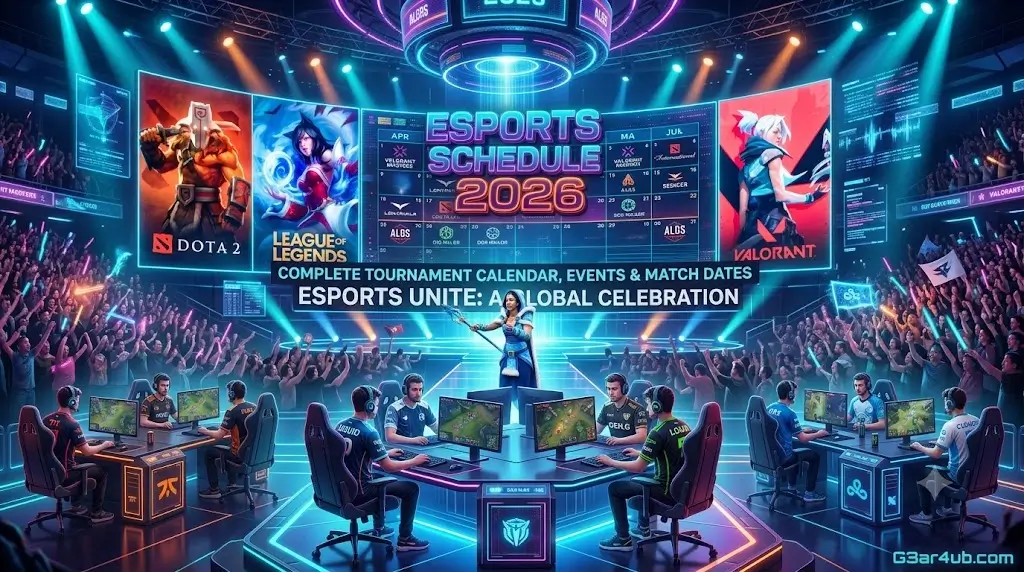
Sites like Liquipedia maintain comprehensive, up-to-date schedules across virtually every major esports title and tournament, making them the most reliable single source for figuring out what’s happening and when, across time zones.
Picking a Game to Follow
If you’re not sure where to start, multi-game events like the Esports World Cup are a good entry point specifically because they let you sample several different competitive scenes within a single event, rather than committing to learning one game’s rules and top teams from scratch.
Understanding What You’re Watching
Most competitive titles have significantly more depth than they appear to a casual viewer, and commentary teams (often called “casters”) do a lot of the heavy lifting explaining strategy and context in real time. Watching with commentary rather than a raw feed makes a huge difference for newcomers trying to actually follow what’s happening.
Some Broadcasts Are Region-Locked
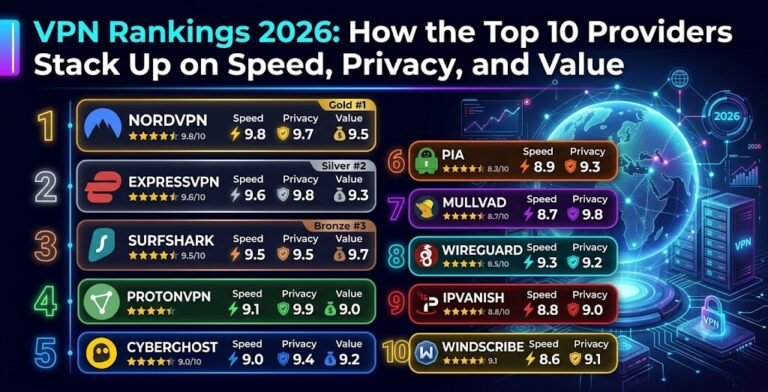
While most major esports events stream openly and globally, some regional leagues or official broadcast partnerships restrict access by country due to licensing agreements — similar to how traditional sports broadcasting rights work. If you’re traveling or living outside the primary broadcast region for a specific event, a VPN can help access the stream as if you were in the correct country.
Following Teams and Players
Once you find a game and scene you enjoy, following specific teams on social media and dedicated esports news sites (like HLTV for Counter-Strike or Liquipedia broadly) will keep you up to date between major tournaments, when the day-to-day league play still matters for standings.
Bottom Line
Getting into esports viewership in 2026 doesn’t require anything more than a free Twitch or YouTube account and a bit of curiosity — start with a multi-game event, find the scene that clicks, and build from there.
About the Author