There’s a persistent myth that VPNs always slow down your internet connection, making them a bad fit for gaming. In reality, a well-optimized VPN can sometimes improve your in-game experience rather than hurt it — here’s how, and when it actually helps.
Why VPNs Sometimes Reduce Lag
Some internet service providers throttle specific types of traffic once they detect gaming or streaming activity, particularly during peak hours. Because a VPN encrypts your traffic, your ISP can no longer easily identify and selectively slow down that traffic — which means some players actually see more consistent ping when connected through a VPN, especially on networks with aggressive throttling policies.
The Realistic Impact on Ping
Independent testing of major VPN providers in 2026 has generally shown latency increases in the single-digit to low-double-digit millisecond range on well-optimized servers — often around 1–20ms depending on the provider and server distance. For most games, that’s not enough to be noticeable during actual play. The exception is competitive shooters where every millisecond counts; in those cases, choosing a VPN server physically close to the game’s actual server matters more than the VPN provider itself.
Fighting DDoS Attacks
Beyond speed, one of the more practical reasons competitive players use a VPN is protection against DDoS attacks, which remain a real problem in certain multiplayer communities. Masking your real IP address through a VPN makes it significantly harder for another player to target your connection directly.
Accessing Region-Locked Games and Early Releases
Some titles launch earlier in certain regions, or are priced differently depending on your country’s storefront. A VPN lets you connect through a server in the relevant region to access content on its actual release schedule, rather than waiting for your local rollout.
Choosing the Right VPN for Gaming
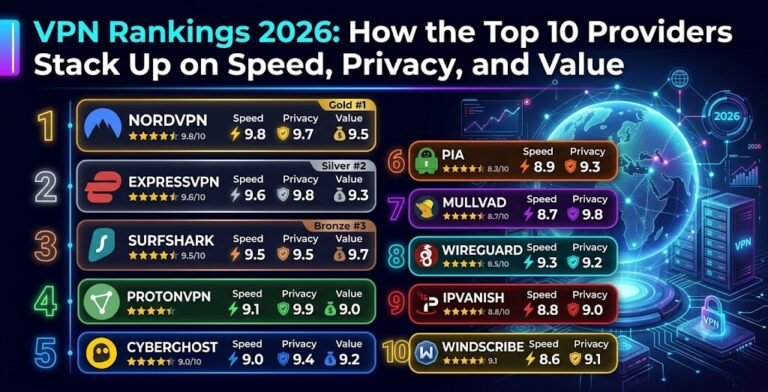
Not every VPN is a good fit for gaming — you want a provider with a large, well-distributed server network and a fast, modern protocol (like WireGuard-based connections). Providers like NordVPN and Surfshark, both of which use next-generation lightweight protocols, are generally strong picks for this use case.
Bottom Line
A quality VPN won’t magically make a slow connection fast, but for most players it adds negligible latency while offering real benefits — protection from DDoS attempts, more consistent speeds on throttled networks, and access to region-specific content. The key is picking a reputable, gaming-capable provider rather than a free or low-quality service.
About the Author