The threat landscape has shifted meaningfully in the past year, and staying safe online now requires updating some long-standing habits. Here are the cybersecurity tips that actually matter most heading into the rest of 2026.
AI-Powered Scams Are the Biggest New Threat
The single biggest shift in 2026’s threat landscape is AI-powered scams — deepfake videos, voice cloning, and hyper-personalized phishing messages that no longer contain the obvious grammar mistakes that used to be easy warning signs. Attackers can reportedly clone a voice from just a few seconds of audio.
Use a Password Manager and Unique Passwords
A password manager generates and stores unique, strong passwords for every account, so a single breach doesn’t cascade into every other service you use. You only need to remember one master password.
Enable Multi-Factor Authentication — But Skip SMS When Possible
SMS-based MFA is no longer considered fully secure, since SIM-swapping attacks have become easier to pull off. Authentication apps or hardware security keys offer meaningfully stronger protection than text message codes.
Verify Unusual Requests Through a Different Channel
If you receive an urgent request involving money, gift cards, or sensitive information, verify it independently rather than responding directly. Call the person or company using a number you look up yourself, not one provided in the suspicious message.
Be Cautious on Public Wi-Fi
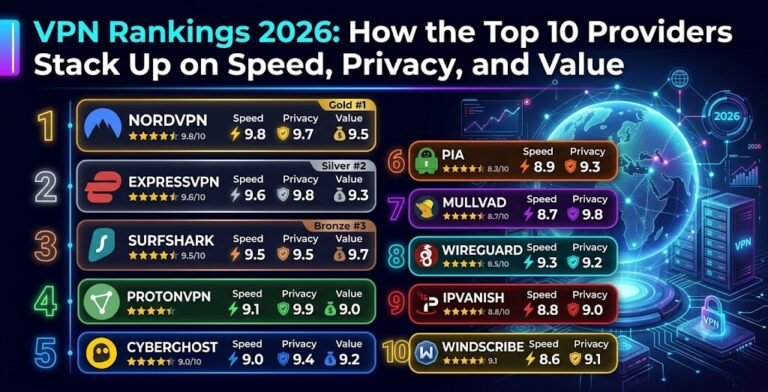
Public networks at coffee shops, airports, and hotels remain a genuine risk, since other users on the same network can potentially intercept unencrypted traffic. Use a reputable VPN to encrypt your connection when you have no other option.
Keep Software Updated
Many breaches exploit known vulnerabilities in outdated software that already has an available patch. Enabling automatic updates closes this gap without requiring ongoing manual effort.
Bottom Line
You don’t need to implement every possible security measure overnight. Starting with a password manager, MFA on your most important accounts, and healthy skepticism toward urgent, unexpected requests will stop the overwhelming majority of common attacks.
About the Author