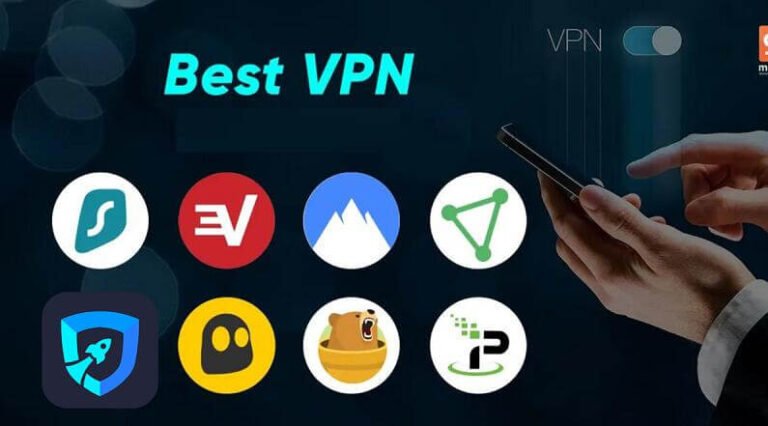
With the global VPN market valued at roughly $83–86 billion in 2026 and projected to keep growing at close to 20% a year through the end of the decade, dozens of providers now compete for the same subscribers. Market research also indicates well over 1.6 billion people worldwide use a VPN in some form, with North America accounting for the largest single regional share of revenue. To make sense of a crowded field, the Zylory Team built a ranking based on measurable criteria rather than marketing claims: independently verified privacy practices, real-world speed, server footprint, pricing transparency, and streaming reliability.
The State of the VPN Market in 2026
A few structural trends define the industry this year. Consumer demand keeps climbing as public Wi-Fi risk, content restrictions, and privacy awareness all increase, while on the enterprise side many organizations are gradually shifting away from traditional always-on VPN tunnels toward Zero Trust Network Access (ZTNA), which grants access on a per-application basis instead of opening the whole network. Analysts expect a majority of new enterprise remote-access deployments to favor ZTNA architectures going forward, even as consumer VPN subscriptions continue to grow briskly. Security researchers have also flagged a rise in attacks targeting VPN gateways and edge devices, which is part of why independent audits and rapid patching now matter more than ever when choosing a provider.
Our Ranking Methodology
Each provider was scored across five weighted categories: (1) independently audited privacy and no-logs verification, (2) measured connection speed and latency, (3) server network size and geographic distribution, (4) transparency and consistency of pricing, and (5) reliability unblocking major streaming platforms. Ownership structure was also factored in as a transparency signal, since several top brands share the same parent company.
The Top 10 VPNs of 2026, Ranked
- NordVPN — The most consistent all-around performer, with a six-time independently audited no-logs record, a 9,000+ server network, and fast WireGuard-based speeds.
- ExpressVPN — Best cross-platform consistency and router support, backed by RAM-only TrustedServer infrastructure.
- Surfshark — The strongest value pick, with unlimited device connections and a growing 4,500+ server network.
- Private Internet Access — A court-tested no-logs policy, unlimited connections, and reliably low prices, though with a less polished interface.
- Proton VPN — The clearest choice for privacy purists, thanks to open-source, audited apps and a genuinely usable free tier.
- CyberGhost — A beginner-friendly interface with dedicated “streaming optimized” servers and a generous trial period.
- IPVanish — A US-based provider with strong domestic performance and unlimited device support, best for users unconcerned by US jurisdiction.
- Mullvad — The strongest option for anonymity, uniquely allowing account creation and payment without any personal information, including cash by mail.
- Windscribe — A strong pick for unblocking a wide range of Netflix regional libraries at a competitive price.
- PrivateVPN — A capable budget option for users who mainly need basic encryption and occasional geo-unblocking.
Full Ranking Table
| Rank | Provider | Standout Strength | Best For |
|---|---|---|---|
| 1 | NordVPN | Audited privacy + speed | Most users |
| 2 | ExpressVPN | Cross-device consistency | Travelers, router setups |
| 3 | Surfshark | Unlimited devices | Households, budget |
| 4 | Private Internet Access | Court-tested no-logs | US-based users |
| 5 | Proton VPN | Open-source transparency | Privacy-first users |
| 6 | CyberGhost | Ease of use | Beginners |
| 7 | IPVanish | US server performance | Domestic streaming |
| 8 | Mullvad | Anonymous sign-up | Maximum anonymity |
| 9 | Windscribe | Netflix region variety | Streaming abroad |
| 10 | PrivateVPN | Simplicity, low cost | Basic protection |
Market Share and Ownership: Who Really Controls the VPN Industry
On the consumer side, two holding companies quietly control a large share of the market’s biggest brands: Nord Security (NordVPN, Surfshark) and Kape Technologies (ExpressVPN, CyberGhost, Private Internet Access). Proton AG and Mullvad remain the most prominent providers without cross-ownership ties to other consumer brands or review platforms. On the enterprise and corporate networking side, the market looks entirely different: legacy networking vendors such as Cisco, Palo Alto Networks, Fortinet, and Check Point dominate business VPN and secure-access spending, a segment increasingly being absorbed into broader Zero Trust and Secure Access Service Edge (SASE) platforms rather than sold as standalone VPN products.
Why VPN Rankings Differ Between Review Sites
Readers comparing “best VPN” lists across different websites will often notice the order changes dramatically from one source to the next. Part of this is legitimate — testing methodology, server locations sampled, and time of testing all affect results. But a significant part is commercial: many review sites earn affiliate commissions from the providers they rank, and some are directly owned by the same holding companies as the VPN brands they review. Readers should treat any single ranking as one data point and prioritize sites that disclose their testing methodology and ownership relationships clearly.
The Enterprise Shift: VPN vs. Zero Trust Network Access
For businesses, 2026 marks an inflection point. Analyst guidance increasingly points to Zero Trust Network Access as the default architecture for new remote-access deployments, replacing the traditional model where a VPN grants broad access to an entire internal network once a user authenticates. ZTNA instead verifies identity and device posture continuously and grants access only to specific applications. This shift doesn’t mean VPNs are disappearing from the enterprise — most organizations are transitioning gradually rather than ripping out existing infrastructure — but it does mean the growth story in enterprise security spending is increasingly a ZTNA story rather than a pure VPN story, even as consumer VPN subscriptions keep climbing.
Frequently Asked Questions
Is the “best” VPN the same for everyone? No. The right choice depends on priorities — raw speed, price, number of devices, jurisdiction, or streaming access all pull toward different providers.
Do free VPNs deserve a spot in these rankings? Most free VPNs are excluded from top rankings because they’ve been documented selling user data, injecting ads, or offering poor security. Proton VPN’s free tier is a rare, credible exception due to its audited, no-data-cap structure.
How often should VPN rankings be updated? Given how quickly pricing, audits, and streaming access can change, rankings should be revisited at least quarterly, and readers should always verify current pricing directly with the provider.
About the Author