Multiplayer gaming has its own specific set of connection concerns, and understanding how a VPN for online multiplayer gaming actually helps — and where it doesn’t — makes a real difference in whether it’s worth adding to your setup.
Protecting Against DDoS in Multiplayer Lobbies
This remains the clearest, most practical reason multiplayer gamers use a VPN. A VPN masks your actual IP behind the provider’s server, making a targeted denial-of-service attack against you specifically far harder to execute.
Dealing With ISP Throttling During Peak Hours
Some internet providers selectively slow down gaming traffic during high-demand periods. Since a VPN encrypts your traffic, your ISP can no longer easily identify and throttle it specifically, which is why some players report more consistent connections during peak hours.
Matchmaking and Regional Server Access
A VPN lets you connect to matchmaking servers in a different region than your actual location, though it’s worth checking a game’s terms of service, since some titles restrict cross-region play for matchmaking balance reasons.
What a VPN Won’t Fix
A VPN won’t fix underlying connection quality issues, like a genuinely poor internet connection. It’s also not a substitute for choosing a server physically close to the actual game server.
Choosing the Right Provider for Multiplayer
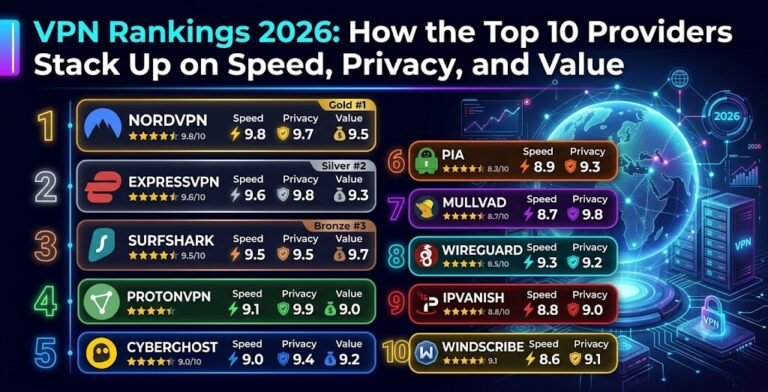
Prioritize a VPN with a large, well-distributed server network and a modern, fast protocol like WireGuard. NordVPN and Surfshark both fit this profile well.
A Practical Setup Tip
Test a few different nearby VPN servers before settling on one for regular multiplayer play — ping can vary meaningfully between servers in the same general region.
Bottom Line
For online multiplayer specifically, a VPN’s real value is DDoS protection and more consistent performance on throttled connections — not a magic fix for a fundamentally weak internet connection.
About the Author