It’s tempting to search for a free VPN for gaming rather than paying for a subscription, but in practice, free VPNs almost universally disappoint gamers specifically. Here’s why, and what the exceptions look like.
The Core Problem: Overcrowded Servers
Free VPN services generally operate a much smaller server network than paid competitors, while serving a large user base competing for the same limited bandwidth. The result is inconsistent, degraded speeds — precisely the opposite of what gaming needs.
Latency Is Usually Unacceptable
While a good paid VPN typically adds only single-digit to low-double-digit milliseconds of latency, free VPNs frequently add far more — enough to be genuinely disruptive in real-time multiplayer games.
Data Caps Kill the Experience
Many free VPN tiers impose monthly data limits that can be consumed by even modest gaming use, forcing you to disconnect the VPN — or pay anyway — partway through regular use.
The Privacy Trade-Off
Some free VPN services have faced legitimate scrutiny over how they fund a “free” service — in some cases through data collection practices that run counter to the privacy protection you’d expect in the first place.
The One Legitimate Exception: Proton VPN’s Free Tier
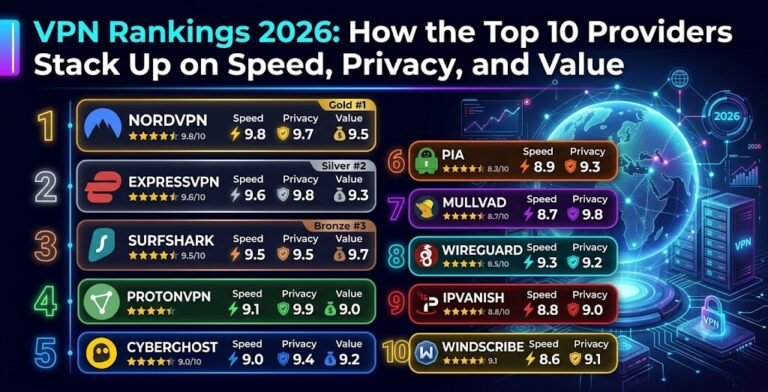
Proton VPN stands out as a genuinely trustworthy free option, backed by an independently audited no-logs policy and a business model funded by its paid tiers rather than data monetization.
What to Do Instead
For anyone gaming regularly — especially competitively — a budget-friendly paid VPN like Surfshark delivers dramatically better and more consistent performance than free alternatives, often for just a few dollars per month.
Bottom Line
Free VPNs are rarely a good fit for gaming specifically. If budget is the deciding factor, a cheap paid VPN will almost always outperform a free one for the specific demands of online gaming.
About the Author